Every successful digital platform eventually outgrows its original monolithic foundations. Therefore, engineering leaders must actively prioritize highly maintainable modern architectures today. Specifically, a precise Next.js headless CMS migration offers the perfect strategic solution for scalable enterprise growth. You can effectively escape traditional legacy constraints with this advanced decoupled approach. Furthermore, this targeted methodology fundamentally ensures long-term system resilience across your organization. Consequently, top-tier software teams rely heavily on API-driven frameworks to maintain competitive agility. In fact, ambitious businesses save countless operational hours by completely abandoning outdated, rigid systems. First, we will thoroughly explore the core technical concepts driving this massive industry shift. Then, you will clearly understand the specific operational requirements needed for immediate success. Finally, your dedicated development team can confidently execute a flawless digital transformation project.
The Strategic Value of Next.js Headless CMS Migration
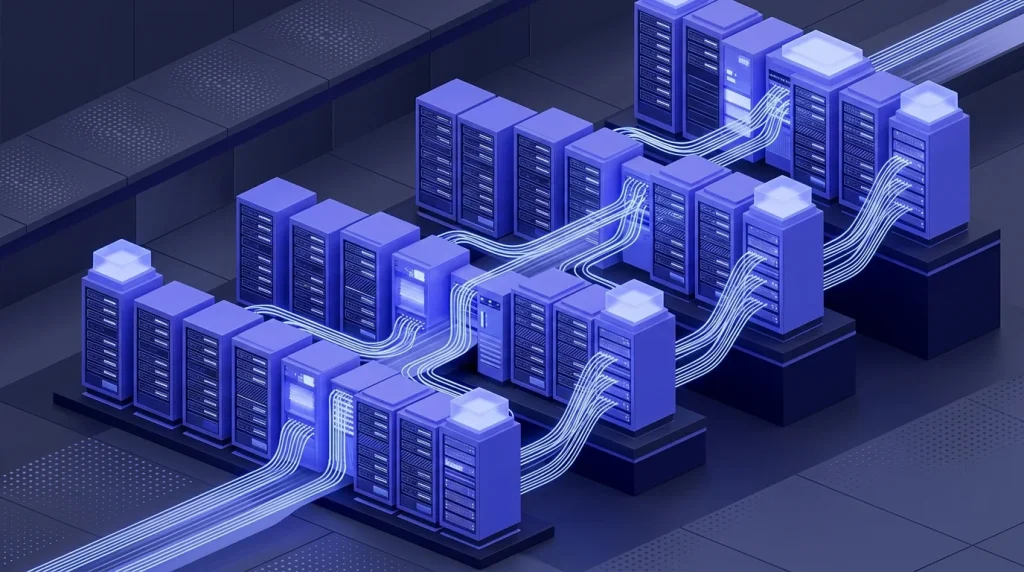
Modern digital enterprises require extremely agile and flexible foundational technologies. For instance, rigid platforms severely inhibit rapid market adaptation and feature expansion. A well-planned Next.js headless CMS migration directly dismantles these historical engineering bottlenecks. Specifically, you disconnect the visual presentation layer entirely from the complex database logic. Moreover, this deliberate separation inherently prevents catastrophic, system-wide software failures during updates. Consequently, frontend developers can freely update user interfaces without touching sensitive backend code. Ultimately, isolated modular systems permanently reduce accumulated technical debt for growing businesses.
Breaking Free from Legacy Constraints
Monolithic architectures severely restrict long-term technical growth and business agility. In particular, older systems directly entangle basic content updates with complex engineering deployments. As a result, simple website text changes unfortunately require highly risky code releases. However, a Next.js headless CMS migration actively resolves this extremely frustrating operational bottleneck. It leverages dedicated microservices to fetch necessary data dynamically and securely. Consequently, non-technical content creators operate entirely independently from specialized software engineering staff. Meanwhile, expensive developers focus their valuable time solely on building complex business logic.
Indeed, these highly parallel workflows drastically improve overall enterprise organizational efficiency. You will immediately notice significantly faster daily business operations across all internal departments. Furthermore, management teams can confidently allocate technical resources toward actual product innovation. Specifically, engineers stop wasting hours maintaining fragile templates and outdated plugin ecosystems. Instead, they engineer robust solutions that genuinely drive measurable company revenue forward. Ultimately, adopting a maintainability-first philosophy permanently protects your critical digital software assets. Therefore, leaders must view decoupled infrastructure as an essential strategic investment.
Optimizing Time to Market Requirements
Development speed remains a critical tactical advantage in highly competitive modern digital markets. For instance, launching innovative new features quickly directly captures vital industry market share. A strategic Next.js headless CMS migration drastically reduces these frustrating software development timelines. Specifically, agile teams utilize modern reusable components to assemble complex digital pages rapidly. Moreover, smart developers deliberately avoid reinventing foundational layout structures during every new project. Instead, they direct their creative energy purely toward building unique interactive business logic. Additionally, marketing departments can seamlessly deploy sophisticated campaign pages without any technical assistance.
Ultimately, this powerful parallel workflow fundamentally eliminates traditional software engineering deployment bottlenecks. Consequently, critical product releases happen much faster across the entire corporate organization. Innovative companies clearly gain a massive competitive edge as a direct measurable result. In fact, early adopters report unprecedented improvements in their overall software deployment frequency. Furthermore, isolated environments allow rigorous automated testing without disrupting live production traffic. Therefore, product managers can bravely experiment with novel interfaces and experimental user journeys. Thus, moving fast no longer requires deliberately breaking things in the process.
Ensuring Deep Technical Resilience
Founders frequently worry about completely rebuilding custom software applications every few years. Fortunately, modern decoupled systems consistently offer exceptional operational longevity and technical durability. Notably, a proper Next.js headless CMS migration effectively future-proofs your core digital products. You can easily swap outdated backend services later without rebuilding the entire frontend. Furthermore, the customized interface remains completely isolated from unexpected database schema changes. Therefore, mandatory system upgrades inherently carry significantly lower operational risks for the business. Specifically, secure API integrations gracefully replace highly fragile and undocumented legacy code connections.
In short, your digital architecture becomes inherently resilient against unpredictable market shifts. Business leaders can confidently invest heavy capital into this highly scalable engineering model. Indeed, maintainability-first thinking actively protects your primary revenue-generating digital assets long-term. Moreover, robust enterprise systems attract higher valuations during potential business acquisition events. Additionally, technical due diligence processes proceed much smoother when reviewing clean API architectures. Ultimately, resilient platforms comfortably survive multiple generations of rapidly changing consumer technology trends. Consequently, your initial technological investment yields massive compounding dividends over several successful decades.
Analyzing the AI Gap in Next.js Headless CMS Migration
Most industry competitors focus solely on basic frontend rendering performance improvements today. Unfortunately, they completely ignore the massive architectural potential of internal artificial intelligence integrations. A forward-thinking Next.js headless CMS migration provides the exact structured data foundation required. Specifically, you can securely inject custom LLM agents directly into private enterprise workflows. Furthermore, strictly typed content models allow intelligent machines to comprehend your proprietary data. Consequently, your completely decoupled architecture evolves into an incredibly powerful autonomous reasoning engine. Let us critically examine exactly how to harness this specific hidden architectural advantage.
Why Monoliths Fail Advanced AI Workflows
Legacy monolithic systems trap valuable organizational data inside rigid, inaccessible proprietary databases. In particular, these outdated platforms mix unstructured HTML directly with critical business information. Consequently, large language models cannot easily parse or understand this deeply entangled content. However, a structural Next.js headless CMS migration instantly separates data from graphical presentation. It naturally stores all enterprise information as clean, universally readable JSON payload structures. As a result, external AI agents can rapidly consume and accurately analyze this information. Meanwhile, internal security protocols actively protect sensitive user data from unauthorized model scraping.
Indeed, clean data taxonomy represents the ultimate prerequisite for successful corporate AI adoption. You will quickly discover that messy legacy content completely derails automated machine reasoning. Furthermore, hallucination rates drop significantly when artificial intelligence reads strictly structured API endpoints. Specifically, engineers can strictly enforce rigorous content validation rules before AI consumption occurs. Instead of relying on manual data cleaning, the architectural system handles sanitization natively. Ultimately, an intelligent platform requires a perfectly clean digital foundation to function properly. Therefore, modernizing your core content infrastructure must carefully precede any ambitious AI integrations.
Automating Internal Content Curation
Manual content curation slowly drains valuable energy from highly talented internal marketing teams. For instance, editors spend countless frustrating hours tagging articles and categorizing old assets. A comprehensive Next.js headless CMS migration fundamentally enables intelligent automated workflow solutions. Specifically, developers can configure custom internal LLMs to automatically generate descriptive content metadata. Moreover, these powerful smart agents seamlessly suggest highly relevant internal links during drafting. Instead of guessing keyword associations, algorithms mathematically optimize your complex content relationship graphs. Additionally, intelligent background workers effortlessly translate published articles into multiple international languages instantly.
Ultimately, this advanced architectural automation dramatically reduces mundane administrative workloads for everyone involved. Consequently, creative professionals actively focus their limited time on producing high-impact original strategies. Forward-looking companies gain significant operational leverage by strategically automating these boring repetitive tasks. In fact, productivity metrics often double when organizations properly implement these intelligent workflows. Furthermore, consistent programmatic tagging drastically improves the accuracy of internal site search engines. Therefore, users find exactly what they need without navigating endlessly through poorly structured menus. Thus, investing in automated curation heavily elevates the overall end-user digital experience.
Injecting LLMs Directly into Architecture
Integrating massive language models requires incredibly robust and highly secure server-side infrastructure. Fortunately, modern decoupled systems gracefully handle intense computational workloads without degrading user experiences. Notably, a successful Next.js headless CMS migration securely isolates these heavy AI operations. You can confidently execute complex prompt engineering exclusively within protected backend server environments. Furthermore, this deliberate physical isolation prevents malicious actors from easily reverse-engineering your prompts. Therefore, your proprietary internal reasoning logic remains completely hidden from external public scrutiny. Specifically, serverless Edge functions securely stream intelligent responses back to the waiting client.
In short, secure prompt management inherently requires fundamentally decoupled server architectural models. Technology leaders must strictly avoid exposing sensitive AI credentials within vulnerable client-side bundles. Indeed, custom web applications demand rigorous security paradigms to protect valuable intellectual property. Moreover, routing LLM requests through proprietary internal middleware allows strict cost monitoring controls. Additionally, engineering teams can seamlessly swap out underlying language models without breaking interfaces. Ultimately, flexible AI architectures gracefully adapt to the incredibly rapid pace of machine learning. Consequently, your intelligent platform comfortably maintains its distinct competitive technological edge indefinitely.
Planning Your Next.js Headless CMS Migration
Execution without careful architectural planning inevitably leads to extremely expensive software engineering disasters. Therefore, technical teams must conduct exhaustive structural audits before writing any new code. Specifically, a proper Next.js headless CMS migration fundamentally demands rigorous initial data modeling. You absolutely must map every single existing content relationship accurately during this phase. Furthermore, failing to comprehensively understand legacy data structures guarantees painful future production errors. Consequently, experienced consultants strongly recommend dedicating several weeks strictly to intensive architectural discovery. Let us carefully review the vital steps required for meticulous digital migration planning.
Conducting a Comprehensive Content Audit
A successful migration completely depends on thoroughly understanding your existing legacy content inventory. In particular, older websites usually accumulate massive amounts of orphaned and outdated pages. Consequently, migrating useless legacy garbage actively harms your fresh new digital performance metrics. However, a structured Next.js headless CMS migration provides an excellent opportunity for cleanup. It literally forces organizations to critically evaluate the true value of every asset. As a result, marketing teams confidently delete hundreds of obsolete and irrelevant articles. Meanwhile, SEO specialists carefully redirect valuable historical URLs to preserve established search rankings.
Indeed, this ruthless pruning process drastically improves overall database efficiency and search visibility. You will quickly notice significantly faster build times when compiling modern static pages. Furthermore, maintaining a lean content repository severely reduces expensive monthly cloud hosting costs. Specifically, engineers spend far less time querying massive tables filled with ancient data. Instead, optimized GraphQL queries swiftly retrieve exactly what the responsive frontend component requires. Ultimately, pristine content databases represent the true beating heart of high-performance digital platforms. Therefore, auditing remains an absolutely non-negotiable step in your software modernization journey.
Mapping Complex Data Structures
Translating legacy database tables into modern structured content models requires deep analytical thinking. For instance, rigid classic relational databases handle complex hierarchical relationships very differently than APIs. A well-executed Next.js headless CMS migration thoughtfully reimagines these deep interconnected data structures. Specifically, talented architects utilize flexible document-based models to represent intricate modern business concepts. Moreover, designers completely abandon the outdated concept of tying raw data to specific layouts. Instead, they strictly focus on defining pure semantic meaning within the digital content. Additionally, this semantic approach naturally supports dynamic omnichannel distribution across multiple device types.
Ultimately, careful data modeling drastically reduces future engineering headaches and expensive technical debt. Consequently, software developers gracefully consume predictable JSON structures without constantly parsing unpredictable HTML. Mature engineering companies gain massive leverage by heavily standardizing these internal API contracts. In fact, strict data typing actively prevents countless runtime errors in production environments. Furthermore, strongly typed content models significantly enhance the modern developer experience using TypeScript. Therefore, integrated IDEs instantly catch structural mapping errors long before actual code deployment. Thus, rigorous data planning inherently guarantees superior software stability and ultimate platform reliability.
Choosing the Right API Approach
Selecting the optimal data fetching methodology fundamentally impacts your overall web application performance. Fortunately, modern decoupled CMS platforms generally offer both traditional REST and advanced GraphQL endpoints. Notably, a professional Next.js headless CMS migration frequently leverages the immense power of GraphQL. You can precisely request only the specific data fields required for each component. Furthermore, this surgical precision severely eliminates notoriously slow over-fetching from complex backend servers. Therefore, mobile users on poor cellular connections immediately experience significantly faster page loads. Specifically, payload sizes drop dramatically when developers selectively filter unnecessary heavy database fields.
In short, optimizing your data layer inherently defines the baseline speed of your application. Technical leaders must aggressively test various API methodologies during the initial architecture phase. Indeed, Core Web Vitals research clearly proves that data fetching latency kills user conversions. Moreover, implementing robust intermediate caching layers gracefully handles unexpected massive traffic spikes during launches. Additionally, intelligent edge networks physically distribute these cached API responses globally near end users. Ultimately, minimizing distance and payload weight heavily dictates true enterprise-grade software rendering performance. Consequently, architectural API choices directly influence your overall corporate bottom line and profitability.
Core Architecture Rules for Next.js Headless CMS Migration
Building high-performance decoupled platforms consistently requires absolute strict adherence to modern engineering rules. Therefore, technical teams must aggressively enforce standardized developmental patterns across the entire codebase. Specifically, a seamless Next.js headless CMS migration relies heavily on predictable server-side rendering strategies. You absolutely cannot treat these modern frameworks like traditional single-page client-side React applications. Furthermore, ignoring advanced static generation features completely defeats the entire purpose of migrating. Consequently, educated software architects explicitly demand rigorous technical compliance during the development phase. Let us examine the fundamental engineering rules that guarantee absolute project success.
Implementing Static Site Generation
Server-side performance natively dictates the overall perceived speed of any modern digital application. In particular, dynamically rendering heavy database queries on every single request destroys scalability. Consequently, concurrent user traffic spikes easily crash traditional dynamic servers during major events. However, a strategic Next.js headless CMS migration completely bypasses this dangerous performance bottleneck. It aggressively utilizes advanced Incremental Static Regeneration to pre-build critical pages instantly. As a result, the web server quickly delivers pre-compiled HTML files from memory. Meanwhile, background processes silently update stale content without ever blocking active user requests.
Indeed, this hybrid rendering strategy beautifully combines extreme speed with dynamic content freshness. You will completely eliminate database bottlenecks during massive marketing campaigns or viral events. Furthermore, utilizing the Static Site Generation documentation ensures perfect implementation of these complex caching strategies. Specifically, global Content Delivery Networks automatically distribute these tiny static files worldwide effortlessly. Instead of constantly hammering your expensive origin servers, edge nodes easily absorb the traffic. Ultimately, static architectures are inherently practically unhackable since no active database connection exists. Therefore, security and performance both immediately skyrocket simultaneously following a proper technical implementation.
Managing Global Application State
State management frequently becomes incredibly complicated within heavily decoupled modern JavaScript application ecosystems. For instance, sharing shopping cart data across multiple isolated interface components introduces deep friction. An intelligent Next.js headless CMS migration carefully simplifies these notoriously complex state management workflows. Specifically, talented engineers utilize lightweight modern state libraries instead of heavy legacy Redux implementations. Moreover, developers strategically push as much data as possible back into the server layer. Instead of storing massive objects in browser memory, they simply fetch fresh data. Additionally, native React Server Components gracefully handle complex rendering logic entirely on the backend.
Ultimately, minimizing client-side state drastically improves browser performance on older mobile smartphone devices. Consequently, user interfaces remain highly responsive even when processing extremely complex interactive data sets. Progressive engineering companies clearly understand that less JavaScript fundamentally equals far better performance. In fact, moving logic to the server actively shrinks massive client-side application bundle sizes. Furthermore, simplified state management drastically reduces annoying cognitive overhead for newly onboarded frontend developers. Therefore, engineering teams can rapidly debug complex interface issues without tracing obscure memory leaks. Thus, disciplined state management actively guarantees long-term platform maintainability and superior software health.
Structuring Reusable Design Tokens
Visual consistency critically defines the overall professional credibility of any major enterprise brand. Fortunately, modern design systems mathematically standardize every single visual element across the entire platform. Notably, a professional Next.js headless CMS migration naturally forces teams to implement strict design tokens. You systematically convert abstract brand colors and typography into strictly typed codebase variables. Furthermore, this rigid systematic approach completely prevents rogue developers from introducing unauthorized interface styles. Therefore, large enterprise applications seamlessly maintain absolute visual perfection across thousands of unique pages. Specifically, updating a single core token instantly cascades visual changes globally across environments.
In short, strict token architecture inherently prevents chaotic and messy user interface regressions. Creative leaders must strongly advocate for mathematical design systems during the foundational engineering phase. Indeed, modern internal AI workflows can even utilize these tokens to rapidly generate compliant interface layouts. Moreover, centralizing visual rules natively supports effortless implementation of complex dark mode themes. Additionally, strictly defined spacing variables fundamentally guarantee perfect vertical rhythm and layout harmony. Ultimately, robust design systems actively bridge the frustrating historical gap between designers and engineers. Consequently, product development cycles become incredibly smooth and highly predictable for the business.
Engineering Complex SaaS Dashboards
Building sophisticated analytical dashboards requires mastering highly specialized and complex frontend software patterns. Therefore, technical teams must deeply understand how to securely manage real-time client data streams. Specifically, an advanced Next.js headless CMS migration successfully supports these heavy dynamic rendering requirements. You can intelligently mix extremely fast static marketing pages with highly secure dynamic dashboards. Furthermore, this hybrid structural capability clearly separates enterprise-grade frameworks from basic legacy website builders. Consequently, ambitious SaaS founders aggressively adopt these powerful modern architectures to build scalable products. Let us explore the specific rules for engineering highly responsive dynamic application interfaces.
Securing Real-Time Data Streams
Live dashboard interfaces continuously demand incredibly rapid and highly secure real-time data updates. In particular, enterprise financial applications cannot safely tolerate slow polling or stale cached numbers. Consequently, outdated rendering strategies fundamentally fail when attempting to process live WebSocket data streams. However, a modern Next.js headless CMS migration perfectly accommodates these intense dynamic streaming requirements. It elegantly utilizes advanced server-sent events to constantly push fresh data directly to clients. As a result, active users instantly see critical analytical updates without ever refreshing their browsers. Meanwhile, rigorous backend authentication middleware actively ensures absolute data privacy during active streams.
Indeed, engineering reliable WebSocket connections natively requires extremely robust underlying server architectural infrastructure. You will unfortunately encounter massive memory leaks if dynamic connection lifecycles remain poorly managed. Furthermore, strictly separating public marketing pages from secure dashboard routes fundamentally improves overall security. Specifically, engineers completely block anonymous traffic from ever accessing sensitive internal application components natively. Instead, secure edge middleware aggressively intercepts and strictly validates all incoming user authorization tokens. Ultimately, zero-trust architectural models forcefully protect your highly valuable proprietary customer database information daily. Therefore, security and real-time performance safely coexist within these advanced modern JavaScript frameworks.
Optimizing Client-Side Performance
Heavy data visualization libraries notoriously destroy client-side performance if they remain improperly optimized. For instance, rendering massive complex charts easily locks up the browser main execution thread. A sophisticated Next.js headless CMS migration actively employs dynamic code splitting to prevent this. Specifically, teams strictly load heavy analytical JavaScript packages only when the dashboard actually mounts. Moreover, smart developers aggressively utilize lazy loading techniques for any off-screen data visualization components. Instead of forcing users to immediately download massive monolithic bundles, the system loads progressively. Additionally, modern bundlers automatically strip entirely unused code from the final deployed application package.
Ultimately, aggressive bundle optimization dramatically improves perceived speed for critical dynamic software applications. Consequently, complex SaaS dashboards instantly feel incredibly snappy and highly responsive to active users. Competitive engineering companies completely refuse to compromise on strict performance budgets during dashboard development. In fact, automated performance testing constantly actively monitors bundle sizes throughout the integration pipeline. Furthermore, offloading heavy mathematical data calculations to specialized Web Workers deeply protects browser responsiveness. Therefore, users smoothly interact with complex interfaces without suffering through frustrating graphical stuttering. Thus, meticulous performance engineering actively drives substantially higher long-term software customer retention rates.
Securing the Future of Your Platform
Maintaining absolute system integrity fundamentally requires establishing highly automated continuous integration pipeline workflows natively. Fortunately, modern hosting providers gracefully offer native support for these complex automated deployment processes. Notably, a complete Next.js headless CMS migration heavily leverages these advanced cloud infrastructure capabilities. You systematically enforce rigorous code quality standards before any changes merge into production environments. Furthermore, automated unit testing completely prevents developers from accidentally breaking critical core software functionality. Therefore, engineering managers can comfortably deploy complex new features multiple times every single day. Specifically, preview branch deployments safely allow comprehensive stakeholder reviews before live production releases occur.
In short, robust CI/CD pipelines inherently eliminate the massive stress associated with legacy deployments. Technical leaders must permanently mandate strict automated testing coverage for all critical business logic. Indeed, a thorough Next.js headless CMS migration practically forces organizations to mature their DevOps culture. Moreover, safely updating vulnerable external dependencies becomes entirely trivial with automated monitoring tools natively. Additionally, instant rollback capabilities completely neutralize the destructive impact of unexpected critical production errors. Ultimately, deeply embracing these advanced maintainability-first philosophies heavily protects your entire digital business empire. Consequently, your highly decoupled technological foundation securely outlasts endless cycles of rapidly shifting market trends.
Final Thoughts on Architectural Transformation
Transforming your digital infrastructure fundamentally requires immense courage, deep technical expertise, and absolute discipline. Therefore, visionary leaders must forcefully commit to executing these highly complex engineering strategies flawlessly. Specifically, a proper Next.js headless CMS migration permanently positions your digital business for dominance. You gracefully leave behind the frustrating limitations of heavily outdated legacy monolithic application platforms. Furthermore, this strategic leap forcefully enables rapid integration of highly advanced artificial intelligence workflows. Consequently, your internal operational teams ultimately achieve unprecedented levels of autonomous daily business productivity. In fact, companies that aggressively modernize their core architecture routinely crush their slower competitors. First, meticulously plan your custom data models carefully. Then, rigorously enforce strict decoupling engineering rules. Finally, confidently launch your blazing-fast digital application.
export async function getStaticProps() { // Fetching data safely during Next.js headless CMS migration const res = await fetch('https://api.enterprise-cms.com/v1/content'); const strictData = await res.json(); return { props: { content: strictData, }, // Incremental Static Regeneration active revalidate: 60, };
}
View Advanced Schema Migration Strategies
Executing a successful data decoupling strategy frequently requires mapping historical unstructured content into modern strictly typed GraphQL schemas. This advanced technical process actively prevents downstream runtime errors during dynamic dashboard rendering.
Architecture Metric
Legacy Monolith
Decoupled Next.js CMS
Deployment Cycle
Slow and highly risky
Rapid and extremely safe
System Scaling
Expensive server upgrades
Automated edge distribution
LLM AI Integration
Nearly impossible structurally
Native via structured APIs
Frontend Performance
Sluggish database rendering
Instant static generation
Action Steps for Decoupled Migration
Audit Existing Content — Catalog all legacy database assets and aggressively ruthlessly prune outdated organizational data before planning.
Map Data Relationships — Construct strict document-based API models that logically separate pure semantic content from visual layouts.
Configure Static Generation — Implement Incremental Static Regeneration correctly to maximize perceived page speed and minimize server loads.
Establish CI/CD Pipelines — Automate rigorous code quality checks to ensure flawless production deployments without stressful manual intervention.
Inject AI Workflows — Utilize your new structured data foundation to seamlessly integrate internal automated LLM curation agents.
Frequently Asked Questions
Why is a Next.js headless CMS migration superior to traditional monolithic systems?
It completely separates the frontend presentation layer from backend database logic, enabling faster performance, secure architecture, and significantly easier integration of modern features like AI agents.
How does a decoupled architecture improve overall SaaS performance?
By utilizing Static Site Generation and edge caching networks, decoupled systems serve pre-built pages instantly to users globally, completely bypassing slow database queries during high-traffic spikes.
Can I integrate internal LLMs after migrating my CMS infrastructure?
Absolutely. A headless CMS natively structures content into clean JSON APIs, which provides the exact clean data taxonomy required for custom artificial intelligence agents to analyze securely.
What is the biggest risk during an architectural migration project?
Failing to properly map historical data structures before coding begins is the largest risk. Deep architectural planning and rigorous content auditing are absolutely non-negotiable prerequisites.