7 Proven Strategies for Scalable Headless CMS Architecture
Published 21 May 2026·14 min read
On this page
Building a reliable digital platform requires forward-thinking engineering today. Many businesses struggle with outdated, rigid systems constantly. Consequently, they lose competitive advantage rapidly in the fast-paced market. Adopting a scalable headless CMS architecture changes this dynamic completely. Specifically, this approach separates content management from presentation delivery effectively. Therefore, technical teams gain immense flexibility for future digital growth. You can integrate modern tools without rebuilding the entire foundational system. Furthermore, custom LLM integrations become much easier to deploy effectively. We will explore how to engineer enterprise software for the long term. Ultimately, prioritizing sustainable performance over fleeting trends ensures absolute success. Let us examine the core foundational elements of this transformation now.
Why Traditional Platforms Limit Digital Growth
Historically, organizations relied heavily on monolithic content management platforms. These older systems bundle the database, code, and user interface together. Consequently, making simple changes often requires extensive backend development work. In addition, scaling these rigid setups demands massive, expensive server resources. This structural flaw creates significant bottlenecks for fast-moving technical engineering teams.
Conversely, modern technological solutions offer a much better path forward. A scalable headless CMS architecture solves these inherent structural problems immediately. First, developers build the frontend utilizing modern, lightning-fast web frameworks. Meanwhile, content teams manage text data in a secure centralized hub. Therefore, both distinct groups work independently without blocking each other.
Moreover, monolithic systems trap your valuable data in proprietary formats forever. Migrating away from them costs immense time and financial resources. In contrast, headless environments deliver data via universal API network connections. Thus, you own your content entirely without any frustrating vendor restrictions. Finally, operational security improves drastically because the database remains hidden.
The Fundamentals of Scalable Headless CMS Architecture
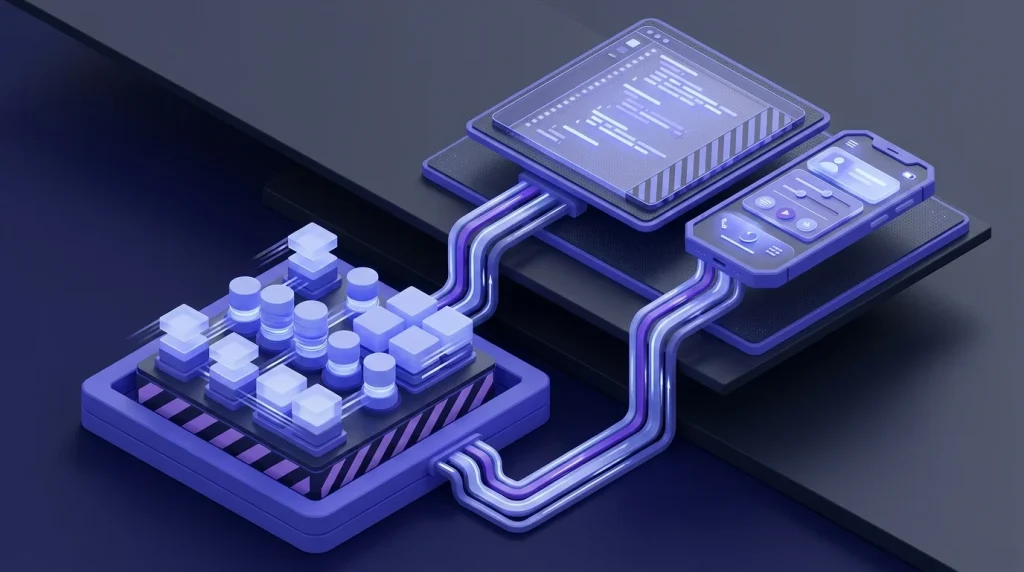
Understanding the technical mechanics behind these modern systems is absolutely essential. A scalable headless CMS architecture relies heavily on robust application APIs. Specifically, these network interfaces serve structured content to any connected digital device. For example, a single centralized repository can populate a website and mobile app simultaneously. As a result, businesses maintain consistent, accurate messaging everywhere automatically.
Additionally, this decoupled structure supports modular development perfectly for technical teams. You can swap out a third-party search provider without redesigning everything else. Furthermore, integrating new software solutions becomes a routine, highly predictable daily task. Technical founders appreciate this valuable plug-and-play capability greatly for scaling operations. It measurably reduces technical debt over the platform’s extended long lifespan.
Most importantly, backend performance metrics improve significantly across the entire board. Traditional websites must render HTML pages on the server during user visits. Conversely, headless sites often use advanced static site generation techniques instead. Therefore, optimized web pages load almost instantly for the impatient end user. This massive speed boost directly impacts online conversion rates and user satisfaction.
According to web standards documented by the Mozilla Developer Network, separating server logic enhances overall reliability. Consequently, your web infrastructure withstands sudden user traffic spikes very easily. Thus, adopting a scalable headless CMS architecture provides a distinct competitive edge today. Ultimately, mastering these fundamental concepts prepares your team for advanced custom engineering.
Core Strategy 1: Prioritizing Robust Design Systems
Designing a visually disjointed interface ruins user trust very quickly indeed. Therefore, creating a robust, unified design system remains a critical top priority. A scalable headless CMS architecture integrates seamlessly with structured digital design tokens. Essentially, these programmatic tokens store visual data like exact colors and custom typography. Consequently, developers apply these exact standardized values across all digital products.
This strict centralized approach eliminates frustrating visual inconsistencies almost immediately everywhere. For instance, updating a primary corporate brand color takes minutes instead of weeks. You simply change the exact token value in one central database location. Afterward, the updated visual style cascades across the entire digital ecosystem automatically. Thus, ongoing software maintenance costs drop dramatically for the entire organization.
Furthermore, comprehensive design systems bridge the communication gap between designers and engineers. Both critical teams speak the exact same visual language daily. As a result, software production cycles accelerate significantly during major product launches. Specifically, smart developers reuse existing validated components rather than writing completely new code. A scalable headless CMS architecture facilitates this efficiency, which frees up valuable resources for more complex architectural problem-solving.
Modern marketing websites must load extremely quickly to retain fleeting visitor attention. Unfortunately, bloated themes and endless legacy plugins slow down traditional sites terribly. To fix this common issue, engineering teams must adopt modern rendering techniques. Implementing a scalable headless CMS architecture allows for absolutely optimal frontend performance. Specifically, backend developers can utilize frameworks that generate pre-built static HTML files.
These pre-rendered static files load rapidly because they require zero database queries. Consequently, end users experience seamless navigation and instant page load times always. Furthermore, major search engines reward blazing fast websites with much better organic rankings. Therefore, early technical architectural choices directly influence your overall digital marketing success. Clearly, achieving blazing site speed is a strict non-negotiable feature today.
In addition, modern headless setups enhance global digital content delivery significantly everywhere. You can distribute static website files across a robust Content Delivery Network effortlessly. As a result, international users in different countries access data locally instantly. This geographical distribution reduces network latency and improves the user experience drastically. A scalable headless CMS architecture handles this exact global distribution perfectly.
Modern artificial intelligence must serve a precise, highly definable business function always. Integrating custom Large Language Models transforms exactly how users interact with complex data. A scalable headless CMS architecture provides the absolutely perfect technical foundation here. Specifically, it allows highly structured content to feed directly into custom AI engines. Therefore, the specialized machine learning model understands your exact domain context perfectly.
This powerful technological synergy creates highly effective autonomous enterprise content engines effortlessly. For example, the intelligent system can draft accurate technical documentation from raw inputs. Additionally, it can personalize complex user dashboards dynamically in absolute real time. Consequently, manual human workload decreases while overall output quality increases steadily over time. This targeted approach represents a true technological advantage over generic AI wrappers.
Furthermore, securely managing the AI data pipeline requires strict architectural discipline always. You must ensure the training data remains clean and well-structured continually. Otherwise, the advanced language model will produce highly inaccurate, entirely unhelpful user results. Fortunately, a scalable headless CMS architecture strictly enforces complex content modeling rules automatically. Thus, the custom AI always receives pristine, high-quality training data reliably.
According to rigorous research published by MIT DSpace, structured data architectures improve machine learning outcomes. As a result, your custom enterprise LLM becomes a highly reliable business asset. In short, proper backend engineering makes advanced AI truly practical and highly sustainable. Implementing a scalable headless CMS architecture guarantees this exact long-term operational success.
Complex software dashboards demand highly meticulous user experience planning upfront during development. End users constantly need to process massive amounts of raw data very quickly. Therefore, absolute visual clarity and rapid responsiveness are essential dashboard design requirements. A scalable headless CMS architecture supports lightning-fast dynamic data fetching seamlessly. Consequently, complex digital dashboards update in real time without refreshing the active browser.
This completely instant feedback loop keeps daily users highly engaged and incredibly productive. Furthermore, physically decoupling the backend allows developers to optimize the visual interface continually. You can deploy iterative UX improvements without ever disrupting the core application logic. As a result, the digital SaaS product evolves rapidly based on direct user feedback. Your scalable headless CMS architecture makes this iterative agile process possible.
Moreover, complex application state management becomes much simpler within decoupled headless environments. Modern frontend javascript frameworks handle complex user interactions incredibly efficiently today. Specifically, they expertly manage asynchronous data flows without burdening the primary central server. Thus, the interactive dashboard remains perfectly stable even during exceptionally heavy usage periods. A scalable headless CMS architecture handles high user concurrency flawlessly.
Additionally, a truly resilient UX consistently anticipates common human user errors gracefully. The interface system should provide crystal clear, highly helpful feedback when things break unexpectedly. Utilizing a scalable headless CMS architecture enables absolute precise control over critical error messaging. Ultimately, thoughtful and resilient dashboard design builds long-term customer loyalty and immense trust. It significantly reduces user churn metrics over time.
Optimizing API Responses for Dashboard Speed
Exceptional dashboard performance relies heavily on incredibly efficient backend data retrieval mechanisms. Excessively large API data payloads cause severe interface rendering delays for frustrated end users. Therefore, backend software engineers must optimize network response sizes very carefully indeed. Implementing advanced GraphQL within a scalable headless CMS architecture solves this bottleneck perfectly. Specifically, GraphQL allows the frontend client to request only necessary specific fields.
Consequently, the application server transmits much smaller, highly optimized data packets over networks. This incredibly precise data fetching improves interface rendering speeds quite dramatically for everyone. Furthermore, it measurably reduces operational bandwidth hosting costs for the entire global organization. As a result, the software application scales much more cost-effectively during rapid growth phases. A scalable headless CMS architecture supports these modern query languages natively.
In addition, intelligent network caching strategies play a vital overall software performance role. You should strictly cache frequently accessed dashboard data at the distributed network edge. Thus, subsequent recurring user requests resolve almost instantly without any additional server strain. A scalable headless CMS architecture integrates with advanced content caching layers incredibly easily. Ultimately, deeply optimizing these technical details separates exceptional, premium dashboards from mediocre ones.
Core Strategy 5: Implementing Autonomous Content Systems
Daily content creation often becomes a severe operational bottleneck for rapidly growing companies. Purely manual editorial processes simply cannot keep pace with exponential scaling demands today. Therefore, securely building autonomous content systems is a vital long-term strategic necessity. A scalable headless CMS architecture makes programmatic, automated content generation entirely possible. Specifically, custom backend scripts and LLMs can draft and publish articles automatically.
This advanced operational automation requires a strictly governed, highly structured content data model. The intelligent system must know exactly where each distinct piece of information belongs. Fortunately, modern decoupled headless platforms excel at defining these strict structural data schemas. Consequently, the autonomous publishing engine places text and images perfectly every single time. A scalable headless CMS architecture ensures pristine, error-free data formatting consistently.
Furthermore, mandatory human editorial oversight remains a crucial overall workflow safety component. The custom AI initially generates the first draft based on strict, pre-established parameters. Then, human domain experts meticulously review and carefully refine the output before publishing. Thus, overall corporate content quality remains high while daily production volume increases exponentially. A scalable headless CMS architecture supports these essential hybrid approval workflows seamlessly.
Core Strategy 6: Building Multi-Year Enterprise Longevity
Dangerous short-term thinking ruins many incredibly expensive digital transformation software projects very quickly. Naive businesses often chase the latest shiny technology trends without evaluating future consequences. Conversely, building systems for multi-year enterprise longevity requires strict, uncompromising software engineering discipline. A scalable headless CMS architecture provides exactly this highly sought-after long-term operational stability. Specifically, it actively prevents disastrous vendor lock-in by utilizing universal web standards.
You can confidently replace any single failing technical component without destroying the entire ecosystem. For example, migrating safely to a completely new frontend framework takes weeks instead of years. Consequently, your core digital platform adapts to new emerging technologies very naturally over time. This immense architectural flexibility is the absolute cornerstone of highly sustainable software engineering. A scalable headless CMS architecture guarantees you remain technologically agile indefinitely.
Furthermore, extremely thorough system documentation ensures critical continuity whenever core technical team members leave. Every single backend API endpoint and frontend design token must be recorded clearly. A scalable headless CMS architecture naturally encourages much better, highly organized documentation practices. Because interconnected systems are physically decoupled, their exact communication protocols must be explicitly defined beforehand. This prevents messy, undocumented legacy code from accumulating rapidly.
According to guidelines published by the National Institute of Standards and Technology, modular architectures reduce lifecycle maintenance costs. Therefore, heavily investing in this decoupled structure yields massive financial returns eventually. Ultimately, achieving true enterprise longevity stems directly from robust, highly pragmatic anti-hype engineering decisions. A scalable headless CMS architecture remains the ultimate foundational bedrock for lasting operational success.
Testing and Monitoring Scalable Ecosystems
Safely maintaining a highly complex modular architecture requires rigorous, constant technical oversight always. Without instituting proper automated monitoring, small hidden errors compound into critical system failures quickly. Therefore, implementing comprehensive, multi-layered automated testing is absolutely essential for modern development today. A scalable headless CMS architecture allows software teams to test distinct components entirely independently. Consequently, rapidly identifying the exact root cause of tricky software bugs becomes much easier.
Furthermore, advanced synthetic monitoring tools track global frontend performance metrics continuously across all regions. They accurately simulate real user journeys to ensure all critical systems function correctly always. If an essential backend API endpoint slows down unexpectedly, the team receives immediate automated alerts. Thus, proactive software engineers resolve critical underlying issues before they ever affect paying customers. A scalable headless CMS architecture makes this isolated component testing highly effective.
In addition, comprehensive backend server logging provides incredibly valuable insights into overall system health. Secure centralized logs help busy developers understand how different separate microservices interact daily. Deeply analyzing this historical data reveals hidden system optimization opportunities very regularly for the team. By maintaining incredibly strict automated testing protocols, a scalable headless CMS architecture remains undeniably reliable. Ultimately, proactive system monitoring prevents disastrous, extremely expensive production outages completely.
Core Strategy 7: Structuring Content for the Long Term
Meticulous content modeling is the absolute foundational bedrock of any successful enterprise headless platform. Poorly structured unstructured data leads to messy, completely unmaintainable application codebases inevitably. Therefore, creating a highly logical content schema demands extremely careful, highly strategic upfront planning. A scalable headless CMS architecture thrives specifically on highly reusable, modular content types. Specifically, you should intentionally break complex information down into small, distinct atomic chunks.
For example, instead of lazily creating generic monolithic pages, define specific structural elements. Create highly distinct technical models for author bios, user testimonials, and complex product features. Consequently, frontend developers can flexibly assemble these pieces dynamically across many different digital interfaces. This deliberate modularity actively prevents messy content duplication across your entire expansive digital footprint. A scalable headless CMS architecture relies heavily on this exact atomic data approach.
Furthermore, highly descriptive custom metadata plays a incredibly crucial role in long-term data organization. Every single distinct piece of digital content needs rich, highly descriptive semantic tags permanently attached. This invisible structure actively helps internal enterprise search engines retrieve obscure information incredibly accurately. A scalable headless CMS architecture handles these highly complex metadata requirements completely effortlessly. Properly tagged structured data improves overall system discoverability and user experience drastically.
Evaluating the Right Headless Platform Options
Choosing the exact correct underlying software shapes your entire future engineering journey permanently. Many competing software platforms confidently claim to offer true decoupled digital user experiences. However, not all marketed systems actually deliver on their lofty, often exaggerated technical promises. Evaluating a scalable headless CMS architecture effectively requires looking deeply beyond polished marketing materials. Specifically, you must rigorously examine the core API performance and strict network rate limits.
If a chosen vendor severely restricts daily API calls, your ambitious application will fail. Therefore, review the official technical documentation incredibly thoroughly before committing to anything permanently. Additionally, rigorously evaluate the platform’s core content modeling capabilities very critically during the trial phase. A truly robust system allows you to nest data components deeply without experiencing performance penalties. A scalable headless CMS architecture needs unrestricted, lightning-fast, highly performant data querying continually.
Furthermore, deeply consider the daily practical developer experience extremely carefully right now. Your dedicated engineering team desperately needs comprehensive Software Development Kits and incredibly clear tutorials. If a chosen platform lacks robust community support, complex technical problem-solving becomes incredibly difficult daily. A scalable headless CMS architecture should deeply empower talented developers, not actively frustrate them. To see exactly how these exact principles apply practically, read our advanced integration guide.
Conclusion
Building truly robust digital enterprise platforms demands an absolute unwavering focus on long-term longevity. Fleeting software technology trends and basic generic AI wrappers offer very little sustainable business value. Instead, firmly prioritizing a scalable headless CMS architecture ensures lasting, highly profitable enterprise success. This deliberate approach safely separates operational concerns, massively improves performance, and fully enables secure integrations. Consequently, your highly skilled technical team can safely adapt to future scaling challenges effortlessly.
By successfully implementing highly custom LLMs and robust centralized design systems, you build absolute excellence. The significant initial financial investment in careful, meticulous architecture pays massive recurring dividends constantly. Furthermore, strictly prioritizing relentless performance engineering forcefully protects your valuable brand reputation in highly competitive markets. We absolutely must loudly champion contrarian anti-hype methodologies that heavily favor reliable, long-term technical outcomes. A scalable headless CMS architecture powerfully embodies this disciplined, pragmatic engineering philosophy perfectly.
Ultimately, visionary technical founders must firmly make bold strategic decisions today powerfully supporting tomorrow. Wholeheartedly embracing strict modularity and heavily structured data is undeniably the definitive proven path forward. For more highly actionable insider insights into deeply optimizing your entire digital infrastructure, explore our resources. Read our comprehensive deep dive on resilient dashboard engineering for much further advanced technical guidance. Start properly engineering your powerful digital ecosystem for the scalable future right now.
Action Steps for Architectural Transformation
Audit Current Monolith — Map out existing database dependencies, hardcoded presentation layers, and API limitations within your current platform.
Define Content Models — Break down existing content into modular, strictly defined atomic types before migrating to a headless environment.
Establish Design Tokens — Create a centralized repository for typography, spacing, and color values to ensure UI consistency across frontend applications.
Deploy Custom AI Logic — Connect your structured headless data securely to a custom LLM to automate content generation and personalize user dashboards.
Frequently Asked Questions
What exactly is a scalable headless CMS architecture?
It is a backend content management system that completely separates content creation and storage from frontend presentation. It delivers data strictly via APIs to any connected device or application, enabling independent scaling and framework flexibility.
How does this architecture improve custom LLM integrations?
By forcing strict content modeling, a scalable headless CMS architecture provides exceptionally clean, well-structured data. This high-quality data feeds directly into custom language models, drastically improving the accuracy and relevance of AI outputs.
Does headless architecture benefit marketing websites?
Yes. Decoupled systems allow frontend developers to utilize static site generation and modern frameworks. This results in nearly instant page load times, better global CDN distribution, and significantly improved SEO rankings.
Is a headless platform more secure than a monolithic one?
Generally, yes. Because the backend database is completely hidden and physically separated from the frontend web server, malicious actors cannot easily exploit traditional UI vulnerabilities to access sensitive stored data.